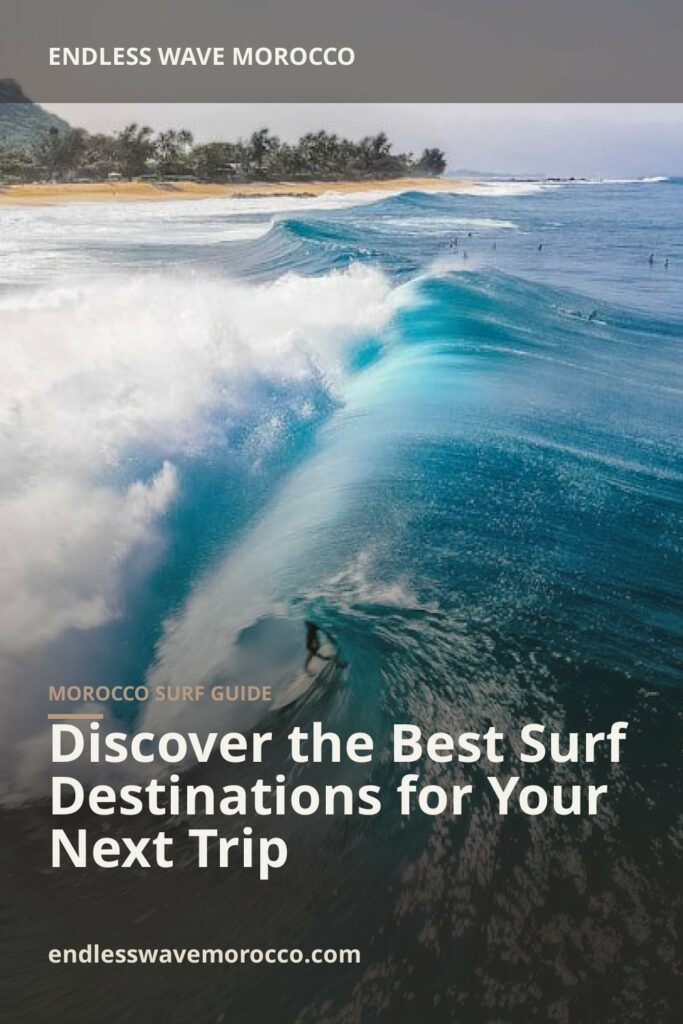


Surf travelers planning their next adventure often search for the best surf destinations that match their skill level, travel budget, and appetite for culture. This guide helps them sort through global choices, explains how to choose surf location, and offers practical surf trip destination tips — from transportation and accommodation to local customs and safety. Where it’s relevant, the guide highlights how a well-run surf camp, such as Endless Wave Morocco in Tamraght, can simplify logistics and elevate the experience with ISA-certified lessons and all-inclusive packages.
What Makes a Destination One of the Best?
Every surfer has a personal idea of what makes a spot great: hollow reef breaks, long mellow point waves, reliable swell, or a friendly surf community. Still, several objective factors consistently separate the best surf destinations from the rest.
-
Wave consistency and variety: Reliable swell and a range of breaks for different skill levels.
-
Seasonal windows: Predictable months when swell, winds, and tides align.
-
Accessibility: Reasonable travel time, airport access, and local transport options.
-
Surf infrastructure: Board rentals, quality surf schools, knowledgeable guides.
-
Local culture and safety: A welcoming community, predictable surf etiquette, and safe surroundings.
-
Accommodation options: From budget hostels to surf camps with ocean view rooms and all-inclusive packages.
When those elements come together, surfers find recurring reasons to return — and that’s what defines many of the world’s best surf destinations.
How to Choose a Surf Location
Choosing a surf destination does not have to be overwhelming. A simple framework helps narrow the options:
-
Define skill and goal: Are they learning to stand up, aiming to improve turns, or chasing big waves?
-
Pick a season: Match travel dates with the destination’s swell season and wind windows.
-
Consider logistics: How long are they willing to travel, and what’s their transport budget?
-
Decide on type of trip: Independent road trip, guided surf safari, or an all-inclusive surf camp?
-
Budget and comfort level: Accommodation, food, and activity costs can vary widely.
-
Local restrictions and customs: Respectful behavior and understanding of local rules ensure a smoother visit.
Using this approach, travelers can filter the globe into a manageable list of destinations and choose the one that fits their priorities.
Top Surf Destinations Around the World
The following list highlights standout surf destinations across continents, with notes on who they suit and travel considerations. It blends iconic big-wave locations with beginner-friendly and culturally rich options.
Nazaré, Portugal
Known for: Some of the world’s biggest surfable waves.
Nazaré is for big-wave aficionados and spectators. The underwater canyon creates enormous, powerful waves during winter. It’s not for beginners, but it’s a must-see for those who appreciate surfing feats. Spectating from the cliffs is safe and unforgettable.
Jeffreys Bay (J-Bay), South Africa
Known for: Long, fast right-hand point break.
Jeffreys Bay offers long, fast rides ideal for intermediate to advanced surfers. The season runs roughly from April to September. Travelers should combine surf sessions with wildlife safaris and local culture in nearby towns.
Uluwatu and Padang Padang, Bali, Indonesia
Known for: Consistent tropical swells, world-class reef breaks.
Bali caters to all levels. Uluwatu and Padang Padang provide powerful, hollow waves for experienced surfers, while nearby spots like Kuta and Seminyak offer gentle beach breaks for learners. Bali’s surf industry means easy access to lessons, rentals, and accommodations across budgets.
Rincon, California, USA
Known for: Classic right-hand point break and surf culture.
California’s surf culture is legendary. Rincon’s long rides attract different skill levels depending on conditions. Spring and fall often offer stable surf and comfortable water temps with a wetsuit. Combining surf with road tripping up or down the coast gives surfers variety.
Hossegor, France
Known for: Powerful beach breaks and European surf competitions.
Hossegor is a magnet for experienced surfers who want fast, hollow beach breaks. The autumn season brings consistent Atlantic swell. Nearby Biarritz adds a charming Basque cultural element, great food, and nightlife for non-surf days.
Jeffrey’s Bay
(Note: Already covered above—ensure unique picks.)
Taghazout and Tamraght, Morocco
Known for: Year-round surf options, point breaks, and surf camps.
Morocco’s Atlantic coast, especially around Taghazout and Tamraght, ranks among the best surf destinations for travelers who want a combination of consistent waves, cultural experience, and affordable surf packages. Winter months (October–April) bring the most reliable swell, but there are waves year-round. Tamraght is quieter and ideal for learners and intermediate surfers.
Endless Wave Morocco, located in Tamraght, offers ISA-certified surf lessons, ocean view accommodations, and all-inclusive packages that take care of transfers, meals, and surf guiding. For travelers who prefer a structured, hassle-free trip, a surf camp like Endless Wave Morocco simplifies logistics and accelerates progress, especially for those new to the region’s unique breaks.
Oahu North Shore, Hawaii, USA
Known for: Legendary big-wave spots like Pipeline and Waimea Bay.
The North Shore is an iconic surfing pilgrimage. Winter months showcase heavy, powerful waves and host renowned competitions. Travelers should have advanced skills or simply watch from the beach; some spots are for pros only. Summer is gentler with more beginner-friendly options on the south shore.
Gold Coast, Australia
Known for: Long, sandy point breaks and surf resorts.
The Gold Coast has consistent swell, multiple world-class breaks like Snapper Rocks, and a robust surf culture. It’s also friendly to traveling surfers thanks to easy travel connections and plenty of surf schools. Spring and autumn often bring pleasant conditions.
Santa Teresa, Costa Rica
Known for: Warm tropical water, consistent beach breaks, and surf camps.
Costa Rica is a classic surf-trip destination. Santa Teresa and nearby spots offer waves for all levels, lush jungle surroundings, and a relaxed vibe. It’s ideal for combining surf sessions with yoga, eco-tourism, and wildlife spotting.
Bundoran, Ireland
Known for: Cold-water surfing with powerful Atlantic swells.
For adventurous surfers who like chunky Atlantic energy and dramatic coastline, Ireland provides quality reef and point breaks. A winter wetsuit is required, but the rewards include uncrowded lineups and scenic beauty.
Maldives (Central Atolls)
Known for: Glassy, warm-water reef breaks; luxury resorts.
The Maldives offers perfect barrels and warm water, often served with uncrowded lineups at high-end resorts or surf charters. South Swell season runs typically from March to October, and many packages include transfers and guided sessions.
Ericeira, Portugal
Known for: Variety of world-class breaks and surf culture.
Ericeira is Europe’s first World Surfing Reserve, with everything from mellow reef breaks to heavy beach breaks. Proximity to Lisbon makes it accessible and appealing to travelers who want both surfing and city experiences.
Fuerteventura, Canary Islands, Spain
Known for: Reliable trade winds, year-round surf, and volcanic coastline.
Fuerteventura provides consistent Atlantic waves with a range of conditions for beginners and intermediates. It’s a great winter escape for Europeans and offers good surf infrastructure and affordable options.
Destination Selection by Skill Level
Choosing among the best surf destinations depends heavily on skill level. The right match speeds progression and keeps sessions fun and safe.
-
Beginners: Gentle beach breaks and surf schools (e.g., Kuta/Bali, Tamraght/Taghazout in Morocco, Santa Teresa/Costa Rica). Look for ISA-certified lessons and soft-top boards.
-
Intermediate surfers: Point breaks and varied beach breaks with longer rides (e.g., Ericeira, Gold Coast, Rincon).
-
Advanced surfers: Heavy reef and barreling beach breaks, plus big-wave destinations in-season (e.g., Pipeline, Nazaré, J-Bay, Hossegor).
Surf camps and local guides help travelers pick appropriate spots each day and avoid hazards like rip currents or submerged reefs.
Practical Travel Advice: Transportation
Getting to and around surf destinations varies widely. Navigating transportation efficiently keeps more time in the water and less time stressed at airports.
Flights and Airports
Major surf hubs usually have international airports with domestic connections. For remote spots, plan for an extra domestic leg or a ferry. Booking arrival and departure close to daylight reduces the risk of navigating unfamiliar roads at night.
Transfers and Local Transport
-
Airport transfers: Many surf camps, including Endless Wave Morocco, offer transfers. That removes the need to haggle taxis or coordinate multiple buses.
-
Car rental: Flexible for exploring multiple breaks but requires local driving confidence — especially on narrow or unpaved roads.
-
Local buses and shuttles: Often the cheapest option; reasonable for short distances but slower and less reliable during peak season.
-
Motorbikes: Popular in Southeast Asia and Latin America for quick access to hidden breaks, but they carry safety risks and are weather-dependent.
Surfboard Transport
Decisions around surfboards depend on trip length and airline policies. Options include:
-
Bringing boards: Best for those who rely on a particular quiver. Check airline fees and use a sturdy board bag with padding.
-
Renting locally: Common at most surf destinations and avoids baggage hassles. It’s ideal for trying different board types.
-
Shipping boards: Sent ahead by freight for extended stays, but adds complexity and cost.
Where to Stay: Accommodation Options
Accommodation shapes the surf trip experience. Options range from minimalist surf hostels to high-end resorts:
-
Surf camps: All-inclusive packages typically cover lessons, meals, transfers, and accommodation. They’re ideal for groups and beginners who want guidance. Endless Wave Morocco’s packages are a good example of this model, offering ISA-certified instruction and ocean view rooms in Tamraght.
-
Hostels and guesthouses: Budget-friendly with social vibes — great for solo travelers looking to meet others.
-
Self-catering apartments: Offer independence and cost-savings for longer stays.
-
Hotels and resorts: Provide more comfort and sometimes premium surf guiding or boat services.
When choosing accommodation, consider proximity to the breaks, whether breakfast is included, and if the place stores and racks boards safely.
Packing Checklist for a Surf Trip
Packing well saves time and frustration. Here’s a condensed checklist for the essentials:
-
Surf gear: Two boards if possible (a backup), leashes, fins, wax, and a repair kit.
-
Wetsuit: Choose thickness based on water temperature; a spring suit for warm places and 3/2–5/4mm for cooler waters.
-
Travel documents: Passport, visas, travel insurance (with water-sport coverage), and emergency contacts.
-
Clothing: Light layers, swimwear, sun-protective shirts, and modest clothing for conservative destinations (e.g., Morocco).
-
Health and safety: First-aid kit, reef-safe sunscreen, mosquito repellent, and any necessary medications.
-
Tech and extras: Waterproof phone case, action camera, portable charger, and universal adapter.
Local Customs, Etiquette, and Respect
Understanding and honoring local customs keeps surf trips friendly and stress-free.
Surf Etiquette
-
Respect priority rules and lineups. In crowded spots, wait for the next set rather than fighting for the peak.
-
Avoid dropping in on riders already on a wave — it’s the quickest way to earn a bad reputation (and possible confrontation).
-
Ask local surfers for advice about hazards and peak times — locals often appreciate respectful questions.
Cultural Customs
Culture varies by country. Examples that matter for surfers:
-
Morocco: Dress modestly in towns and villages. Greet people politely, and be mindful during Ramadan when eating or drinking publicly.
-
Indonesia: Show respect at religious sites, and dress conservatively away from beaches.
-
Latin America: Friendly greetings go a long way; learn a few local phrases.
Endless Wave Morocco’s team, for instance, helps guests navigate local customs in Tamraght and ensures visitors feel comfortable while exploring Moroccan culture off the beach.
Safety and Health Considerations
Safety matters in and out of the water. The best surf destinations minimize risk through infrastructure and local expertise, but travelers should take responsibility.
-
Know the hazards: Rip currents, reef sections, and seasonal wildlife (e.g., jellyfish) differ by region. Local guides are invaluable for this reason.
-
Get insured: Choose travel insurance with water-sport coverage for surfing, rescues, and medical evacuation if needed.
-
Protect from the sun: High SPF, rash guards, and staying hydrated are essential in sunny climates.
-
Physical preparedness: A basic fitness level and some paddling practice reduce fatigue and improve control in bigger surf.
Surf Trip Destination Tips
These practical tips often separate a stressful surf trip from a smooth, memorable one.
-
Book lessons or guides for the first days: Local coaches speed up learning and point out local hazards and best times. Programs with certified instructors (e.g., ISA-certified staff) are especially reliable.
-
Plan flexible itineraries: Swell and winds fluctuate — schedule non-surf activities like hikes, cultural tours, or yoga for windier days.
-
Stay close to the lineup: Being near the water saves time and allows for convenient rest periods between sessions.
-
Connect with locals: Respectful curiosity pays off; locals often know secret peaks and low-tide gems.
-
Pack a small repair kit: A ding repair kit can save a day when a board gets nicked.
Sample 7-Day Surf Trip Itinerary — Tamraght, Morocco
This sample itinerary showcases how to structure a week-long surf-focused stay in a place that combines waves, culture, and comfort. Endless Wave Morocco’s all-inclusive packages mirror this structure, simplifying logistics for travelers.
-
Day 1 — Arrival: Transfer from Agadir or Marrakech airport, settle into an ocean view room, quick beach walk to assess conditions, welcome dinner with camp staff.
-
Day 2 — Assessment and Lesson: Morning ISA-certified lesson at a gentle beach break; afternoon free surf with guides; evening briefing for local spots.
-
Day 3 — Explore Multiple Breaks: Guided trip to nearby point break for intermediate surfers; beginners have a coached session at a beginner-friendly beach.
-
Day 4 — Cultural Day: Morning surf, afternoon excursion to a nearby market or argan oil cooperative; Moroccan cooking demo in the evening.
-
Day 5 — Surf Safari: Day trip to a different coastline stretch to chase better swell or calmer conditions, depending on level.
-
Day 6 — Improve Technique: Focused coaching: paddling, positioning, and turning drills; video review to speed progress.
-
Day 7 — Departure: Morning surf, relax, pack, transfer to airport.
This balance of coached sessions, guided freesurf, and cultural activities maximizes learning while offering time to rest and explore.
Why Consider a Surf Camp or All-Inclusive Package?
For many travelers, especially those new to a region or traveling solo, surf camps remove friction and improve outcomes.
-
Logistics handled: Transfers, board storage, meals, and activity schedules are managed on the guest’s behalf.
-
Structured learning: Certified instructors, progressive lesson plans, and convenient timing accelerate skill development.
-
Community vibe: Shared meals and group sessions make it easier to meet fellow travelers and form surf buddies.
-
Local knowledge: Surf camp staff know the best daily spots, tide windows, and safety considerations.
Endless Wave Morocco exemplifies the benefits of a well-run camp: ISA-certified lessons, ocean view accommodations in Tamraght, and tailored all-inclusive packages for varying skill levels. For surfers prioritizing convenience and steady improvement, such camps are often worth the investment.
“A good surf camp doesn’t just teach waves — it opens a destination. That local knowledge transforms a trip from visiting to experiencing.” — Local Surf Guide
Packing Strategies for Different Destinations
Packing choices differ by climate and expected conditions. A few quick scenarios:
-
Tropical warm water (Bali, Costa Rica): Soft-top, reef-safe sunscreen, shorty or no wetsuit, reef shoes for sharp coral.
-
Cold-water Atlantic (Ireland, UK): 4/3–5/4mm wetsuit, booties, a winter hood for very cold regions, and a sturdy board.
-
Big-wave season (Hawaii, Nazaré): Extra flotation if training for big waves, repair kit, and local coaching for safety protocols.
Budgeting a Surf Trip
Costs vary widely. Key line items include flights, accommodation, food, transfers, lessons, board rental, and insurance. A week-long surf trip can range from budget backpacker levels to luxury retreats. All-inclusive surf camps often provide clearer cost expectations by bundling major expenses.
Travelers should allocate an emergency fund for unexpected repairs, weather-related itinerary changes, or medical needs.
Environmental Responsibility
Surfers rely on healthy oceans. Responsible behavior preserves waves and local ecosystems:
-
Use reef-safe sunscreen to protect coral reefs.
-
Respect marine life and avoid chasing wildlife for photos.
-
Limit single-use plastics, pack out trash, and support local conservation projects where possible.
-
Choose surf operators with environmental commitments.
Final Thoughts
Choosing among the best surf destinations comes down to aligning goals, skill level, and travel style. Whether pursuing barrels at Pipe, long point rides in Portugal, or learner-friendly beach breaks in Morocco, careful planning makes the trip more rewarding. Using the framework here — define skill and season, consider logistics, and pick accommodation that supports surf goals — turns a surf vacation into real progress and unforgettable memories.
For travelers considering Morocco, Tamraght blends consistent waves, cultural richness, and accessible surf instruction. Camps like Endless Wave Morocco help streamline planning with their all-inclusive packages and ISA-certified lessons, making them an excellent option for those seeking a hassle-free, skill-focused surf trip.
Frequently Asked Questions
What are the best surf destinations for beginners?
Beginner-friendly spots include Tamraght/Taghazout in Morocco, Kuta in Bali, Santa Teresa in Costa Rica, and many breaks in the Gold Coast area. Look for sandy-bottom beach breaks, gentle slopes, and nearby surf schools with certified instructors.
How should a traveler choose the right surf location?
Travelers should assess their skill level, preferred wave type, seasonal swell windows, travel budget, and desired trip style (guided surf safari vs. independent travel). Matching those factors narrows the list to the most suitable destinations.
Are surf camps worth the cost?
For many, yes. Surf camps handle logistics, provide structured lessons, and create a supportive learning environment. They’re particularly valuable for solo travelers, beginners, or those who want to maximize time in the water without worrying about planning every detail.
What should surfers pack for a week-long trip?
Essentials: at least one or two boards (or plan to rent), leash, wax, wetsuit appropriate for local water temps, reef-safe sunscreen, basic first-aid, passport/insurance documents, and a small repair kit. Adjust clothing and equipment according to climate and activities planned off the water.
How can surfers respect local customs while traveling?
Learn basic phrases, dress appropriately away from beaches (especially in conservative countries), ask permission when photographing people, and follow local surf etiquette. Surf operators and camps can brief visitors on specific cultural norms and courteous behavior.